Podcasts

In Other Words

The UCLA Tarjan Center’s podcast episodes are Q&A discussions with presenters from our Lecture Series. Hosted by Kecia Weller, Senior Advocate and Community Liaison, and Holly Oliver, Advocate and Community Liaison our goal is to provide a more accessible presentation to our community. Our lecture series aims to increase knowledge of trainees, self-advocates, and community members about state-of-the-art research and interventions, disparities experienced by underserved groups, and how public policies and practices affect the well-being and inclusion of individuals with developmental disabilities and their families.

December 16, 2025

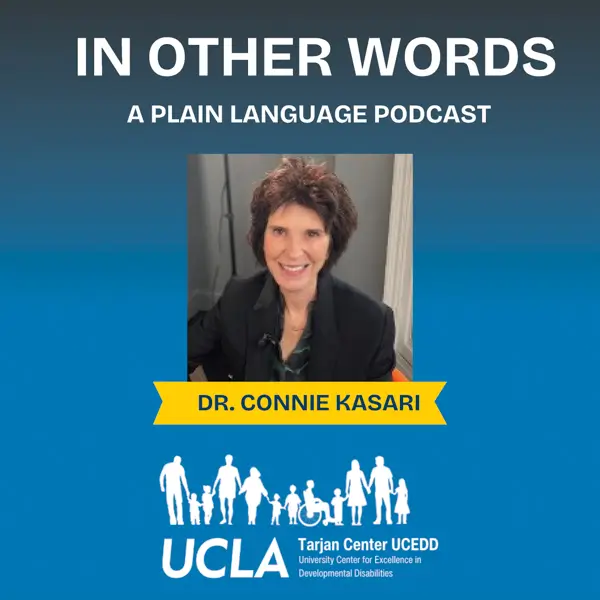
Episode 27 – Early Intervention in Autism

This episode features Dr. Connie Kasari, Distinguished Professor of Human Development and Psychology at UCLA, and host Holly Oliver, Disability Rights Advocate at the UCLA Tarjan Center.
Dr. Kasari’s research focuses on creating and testing new autism interventions for use in schools and clinics, especially to support young children’s communication and social interactions. Holly and Dr. Kasari explore:
  • Evidence-based intervention strategies for autistic children
  • How early interventions, such as JASPER and AACdevices, can help children with autism develop language, play, and social skills
  • Why language is such an important goal for early intervention

Watch or

Listen:

October 23, 2025

Episode 25 – Communication Supports for People with Intellectual and Neurodevelopmental Disabilities

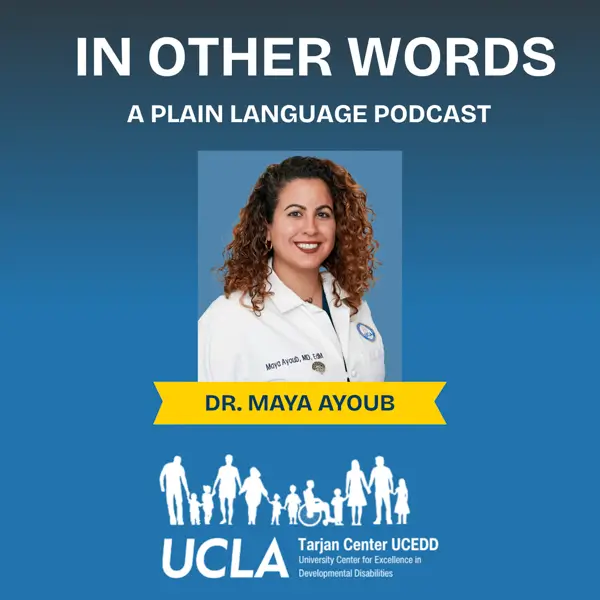
This episode features Dr. Maya Ayoub, a child neurologist at UCLA Children’s Hospital and faculty member at the UCLATarjan Center. Host Russell Lehmann, International Disability Rights Advocate at the UCLA Tarjan Center, talks with Dr. Ayoub about how communication develops and how we can support people with different communication needs.

Together, they discuss:

  • How autistic and neurodivergent individuals learn and use language in unique ways
  • What communication support is and the different types of communication supports
  • What research shows us about who benefits from these supports
  • Barriers that can make it hard for people to get the communication help they need
  • How families, teachers, doctors and therapists can work as a team to support communication
  • What is in store for the future that will help make communication easier for people with disabilities

Listen now to hear how hear more about how understanding and supporting all forms of communication helps build connection and inclusion.

Watch or

Listen:

October 23, 2025

Episode 24 – Sexuality and Dating on the Autism Spectrum

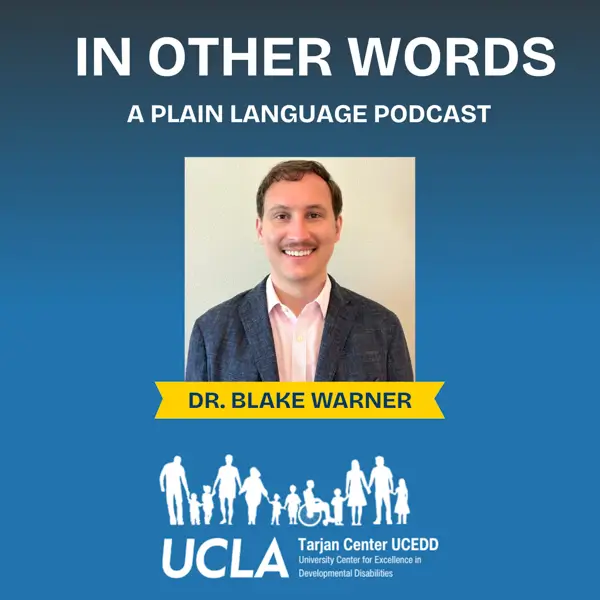
This episode features Dr. Blake Warner, Postdoctoral Fellow at the UCLA Tarjan Center and Chief Clinical Fellow at the PEERS® Clinic. Dr. Warner’s work focuses on advocacy, inclusion, and supporting equality for neurodiverse people, including those with diverse sexual orientations and gender identities. Host Holly Oliver, Disability Rights Advocate at the UCLATarjan Center, talks with Dr. Warner about the common myths surrounding sexuality on the autism spectrum.

Together, they discuss:

  • Why open conversations about dating and sexuality matter for autistic people
  • Common myths about autism and relationships —and why they’re not true
  • How sex and relationship education can promoteconfidence and safety
  • Barriers that can make dating difficult forautistic individuals
  • Ways to build healthy, respectful relationships
  • Resources and programs that provide helpfulsupport

Listen now to hear Dr. Warner share why everyone deserves to learn about relationships and have the chance to build healthy, happy connections.

Watch or

Listen:

October 23, 2025

Episode 23 – Lifespan Development in Autism

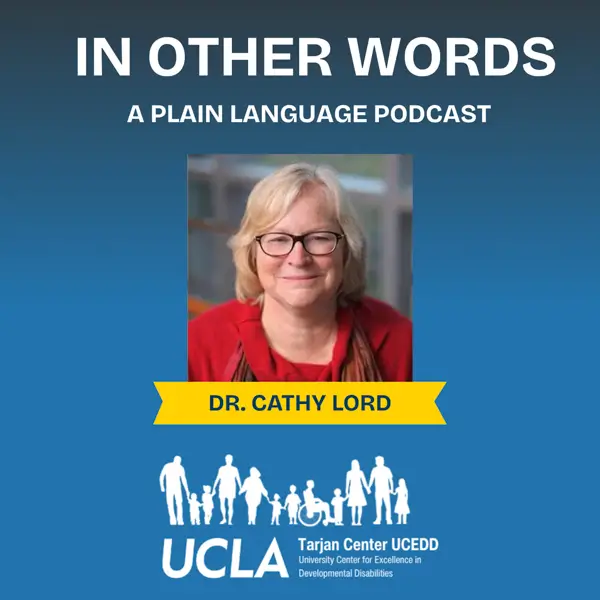
This episode features Dr. Catherine Lord, the George Tarjan Distinguished Professor of Psychiatry and Education at UCLA’sDavid Geffen School of Medicine. Dr. Lord is a clinical psychologist whose groundbreaking work has shaped how autism is understood and diagnosed across the lifespan. Host Holly Oliver, Disability Rights Advocate at the UCLA Tarjan Center, talks with Dr. Lord about her research of individuals with autism across the lifespan.

Together, they discuss:

  • How autism can be identified as early as age 2
  • What long-term studies show about autism development from childhood to adulthood
  • How emotions, reading and comprehension rates relate to growth and independence
  • Why family, caregivers and environment are key to support
  • What hopeful and realistic approaches to autism look like today

Listen now to hear Dr. Lord share insights from her decades of research, training, and clinical work, highlighting how early diagnosis and support can help individuals with autism reach their full potential.

To read more about Dr. Lord and her research: https://seis.ucla.edu/faculty/catherine-lord/

Watch or

Listen:

October 23, 2025

Episode 22 – Employment for People with Intellectual and Neurodevelopmental Disabilities

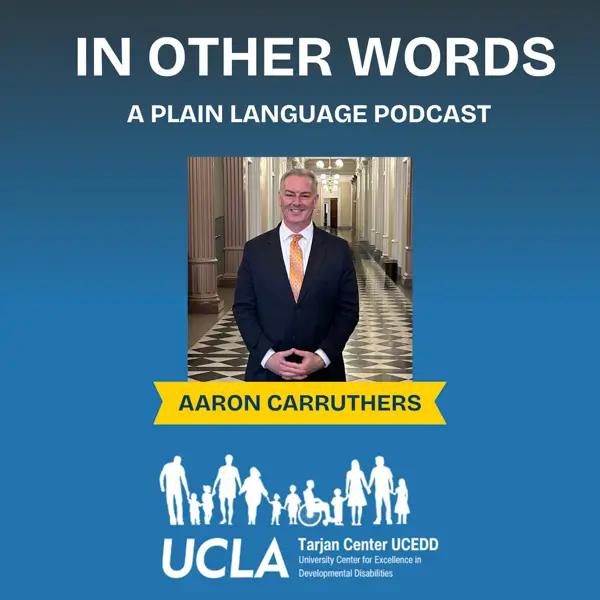
This episode features Aaron Carruthers, Executive Director of California’s State Council on Developmental Disabilities. Host Holly Oliver, Disability Rights Advocate at the UCLATarjan Center, talks with Aaron about employment for people with intellectual and neurodevelopmental disabilities.

Together, they discuss:

  • What having a job means for people with disabilities
  • Barriers to finding and keeping a job
  • How the State Council partners with employers and communities to improve access to employment
  • Advice for employers about hiring people with disabilities
  • What makes him hopeful about the future of inclusive employment in California

Listen now to hear more about how employment for people with disabilities is a civil right and empowers people to lead change in their communities and workplaces.

Watch or

Listen:

October 23, 2025

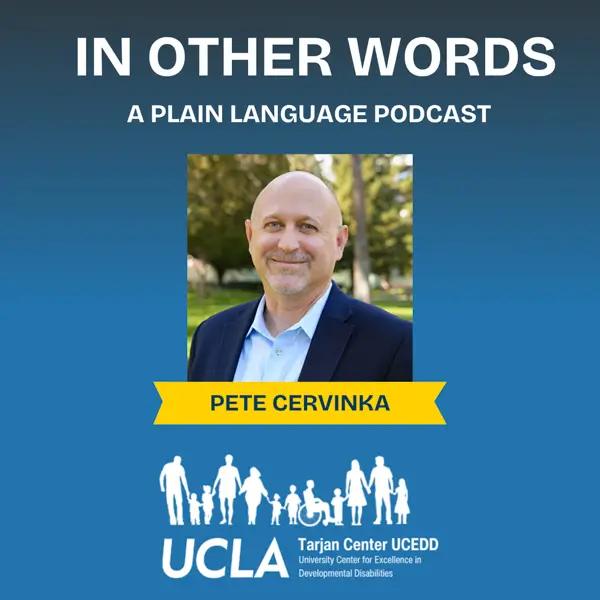
Episode 21 – A Conversation with the Director of California’s Department of Developmental Services

This episode features Pete Cervinka, Director of California’s Department of Developmental Services (DDS). Host Russell Lehmann, International Disability Rights Advocate at the UCLATarjan Center, talks with Pete about his vision for the future of developmental services in California.

Together, they discuss:

  • What services in California could look like in the next 10–15 years
  • How DDS is working toward fairness for people of all backgrounds, languages, and incomes
  • The challenges the system faces as the needs of people with disabilities change
  • What updates and new ideas are most needed
  • Exciting new projects and reasons to be hopeful for the future

Pete shares how data, family, and culture all play a role in building better, community-based supports for every stage of life.

Listen now to hear how California’s developmental-services system is evolving to better support people with disabilities and their families.

Watch or

Listen:

June 28, 2025

Episode 20 – ECHO Autism Hawaiʻi: A Pilot Program for Supporting Autism Providers in Family-Centered Care

In today’s episode, Holly Oliver interviews Dr. Kelsey Oliver.

Dr. Oliver is an Assistant Professor of Special Education at the University of Hawaiʻi at Mānoa. She is a Board Certified Behavioral Analyst and has studied psychology, special education, and mental health. Dr. Oliver works with teachers, service providers, and families to help them improve the lives of people with disabilities including autism.

Today, we discussed ECHO Autism Hawaiʻi:, a pilot program for supporting autism providers from Hawaiʻi in family-centered care.

Listen:

June 27, 2025

Episode 19 – It Holds So Much Promise: An Evaluation of Participant Experiences in California’s Self-Determination Program

In today’s episode, Holly interviews Dr. Christine Moody and Christine Tolbert.

Dr. Moody works at the UCLA Tarjan Center, where shehelps improve college and job opportunities for young adults with developmental disabilities. She works closely with state programs like the California Community College Chancellor’s Office and California Department of Rehabilitation to make sure these systems better support these young adults. Dr.Moody led the data analysis on the 2023 Self-Determination Program Evaluation on behalf the UCLA Tarjan Center and evaluation partners.

Christine Tolbert is the Statewide Manager for the Self-Determination Program at the CaliforniaState Council on Developmental Disabilities. She leads training and orientation for the program across the state, working closely with the Department of Developmental Services.

Today we discussed what the California Self-Determination Program, participant feedback, and what is being done to improve the program.

Listen:

April 8, 2025

Episode 18 – Putting Down the Manual: Affirming Psychotherapy for the Autistic Client

In today’s episode, Holly interviews Dr. Laurie Stephens.

Dr Stephens is a psychologist who has been helping autistic people for over thirty years. She is a leader in the field of Affirming Psychotherapy, which uses the social model of disability, which focuses on acceptance and highlighting the talents and skills of autistic people. She is the Senior Director of ASD and clinical programs at the Help Group. This includes the Young Learners Preschool, an evidence-based, comprehensive, early intervention school program designed to serve children between 2.9 and 5 years of age with autism spectrum disorder, and Kaleidoscope, which serves LGBTQ+ children, youth, young adults, and their families, and the Training Department which provides education and resources.

Today, we discussed how people with autism are all different and that affirming therapy does not try to fix or change an autistic person to be unautistic, but rather, it can help to make the autistic client feel better.

Listen:

April 28, 2025

Episode 17 – Focus, Feelings, and Frustration: Managing Emotions with ADHD

In today’s episode, Holly interviews Dr. Nicole Murray.

Dr. Murray is a licensed neuropsychologist in New York, DC, and Ontario, Canada, and an expert in adult ADHD. She helps professionals and executives understand how ADHD impacts focus, emotions, and productivity. She has two decades of experience in clinical practice and teaching. In her lecture, she talked about the connection between ADHD and emotional regulation. She offered ways to manage frustration, impulsivity, and feeling overwhelmed.

Today, we discussed the neuroscience behind ADHD and some strategies for emotional regulation for adults with ADHD.

Listen: